The Challenge
“30-35% of microplastics in the ocean are from fabrics and textiles.”
— International Union for Conservation for Nature (IUCN)
Poly-cotton blends combine the water and land intensive cultivation of cotton with the fossil fuel dependency and microplastic pollution of polyester. These mixed textiles are notoriously difficult to recycle without chemicals. At present textile recycling is largely confined to two pathways: chemical recycling and mechanical shredding. Chemical methods, while effective at breaking down fibre, are often energy intensive, rely on toxic solvents and can degrade material quality over time.
Shredding the most common mechanical method, lessens the value of the textile, downcycling the new product that is suitable for insulation and non-woven fabrics, rather than returning fibres into high quality textiles. Both approaches, are needed, yet limited when dealing with the separation of poly-cotton, which currently makes up a large share of global textile waste.
The Stats

The textile industry is one of the most resource-intensive sectors globally, ranking as the second-largest consumer of water and contributing approximately 10% of global carbon emissions, according to the UN Environment Program.
To put this into perspective, these emissions are equivalent to the total carbon output of the European Union. The environmental impact of this industry underscores the urgent need for innovation and systemic change.

Circular Deficit
Alarmingly, 98% of recycled polyester is derived from PET bottles rather than textile-to-textile recycling, reflecting the industry’s ongoing dependency on external waste streams rather than circular systems. Textile-to-textile recycling remains at a nascent stage, with less than 1% of global fibre production derived from pre- and post-consumer textile waste. Similarly, recycled cotton represents only 1% of total cotton production, highlighting the significant barriers to integrating recycled materials into mainstream production.

-
People read ‘polyester’ on the care label and have no idea that polyester is actually plastic derived from fossil fuels.
The most common form, polyethylene terephthalate (PET), is a synthetic polymer produced from petrochemicals, primarily crude oil and natural gas -through a chemical process that combines purified terephthalic acid (or its dimethyl ester) with monoethylene glycol.
As a plastic, polyester belongs to the polyester family of polymers characterised by ester linkages in their molecular chains.
Its production relies on non‑renewable fossil resources and involves significant energy consumption and carbon emissions, raising concerns about sustainability and environmental impact.
-
Cotton is a natural fibre, but its large-scale cultivation has been heavily intensified to meet global consumer demand.
Cotton’s environmental story is often told through a much broader lens than polyester’s. Producing just one cotton T‑shirt typically requires around 2,700 litres (over 700 gallons) of water, encompassing everything from irrigation to processing and dyeing.
In contrast, polyester’s lifecycle assessments often start at the polymer-production stage, focusing only on fibre manufacturing and overlooking upstream impacts like fossil fuel extraction. This difference in scope means polyester and cotton aren’t always compared fairly: the cotton lifecycle is evaluated 'from the field', while polyester is often evaluated only 'from the factory', skewing side‑by‑side assessments in environmental impact discussions.”
-
Polyester dominates global fibre production at 57%, with cotton contributing 20%. However, recycling rates for both remain alarmingly low. Less than 1% of global textiles are recycled back into new textiles, while recycled cotton accounts for only 1% of total cotton production.
Polyester fares little better, with just 12.5% of its global output made from recycled sources and 98% of that comes from PET bottles rather than textile waste.
Cotton’s environmental burden lies largely in cultivation, requiring vast amounts of water, land and chemical inputs, while polyester’s footprint is rooted in its fossil fuel origins and high carbon emissions.
Both fibres face significant challenges at end-of-life: cotton is biodegradable but rarely collected for recycling, while polyester persists in the environment for centuries. This imbalance highlights the urgent need for scalable textile-to-textile recycling solutions
-
The textile industry is one of the most resource-intensive sectors worldwide, responsible for around 10% of global carbon emissions, equivalent to the entire output of the European Union.
In Australia alone, 1.4 billion new garments were purchased in 2023, making Australians the largest consumers of clothing per capita.
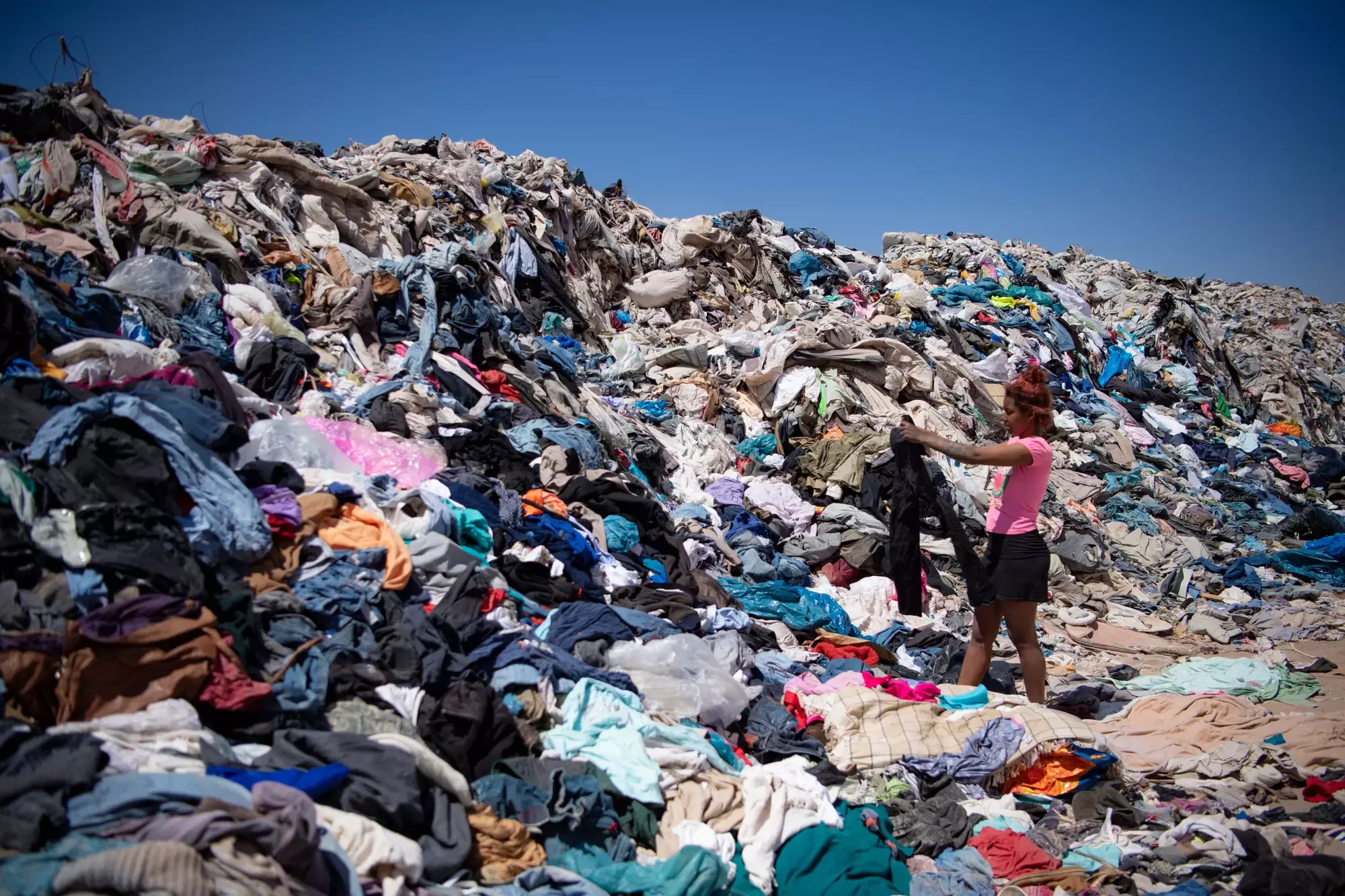
This overconsumption drives excessive waste, with 222,000 tonnes of textiles ending up in landfill annually—four times the weight of the Sydney Harbour Bridge.
More than half of these garments are made from polyester, a fossil fuel-derived fibre that sheds microplastics during washing. Each year, these microplastics entering waterways are estimated to equal the weight of 50 billion plastic bottles, creating long-term risks for ecosystems and human health.