Purpose
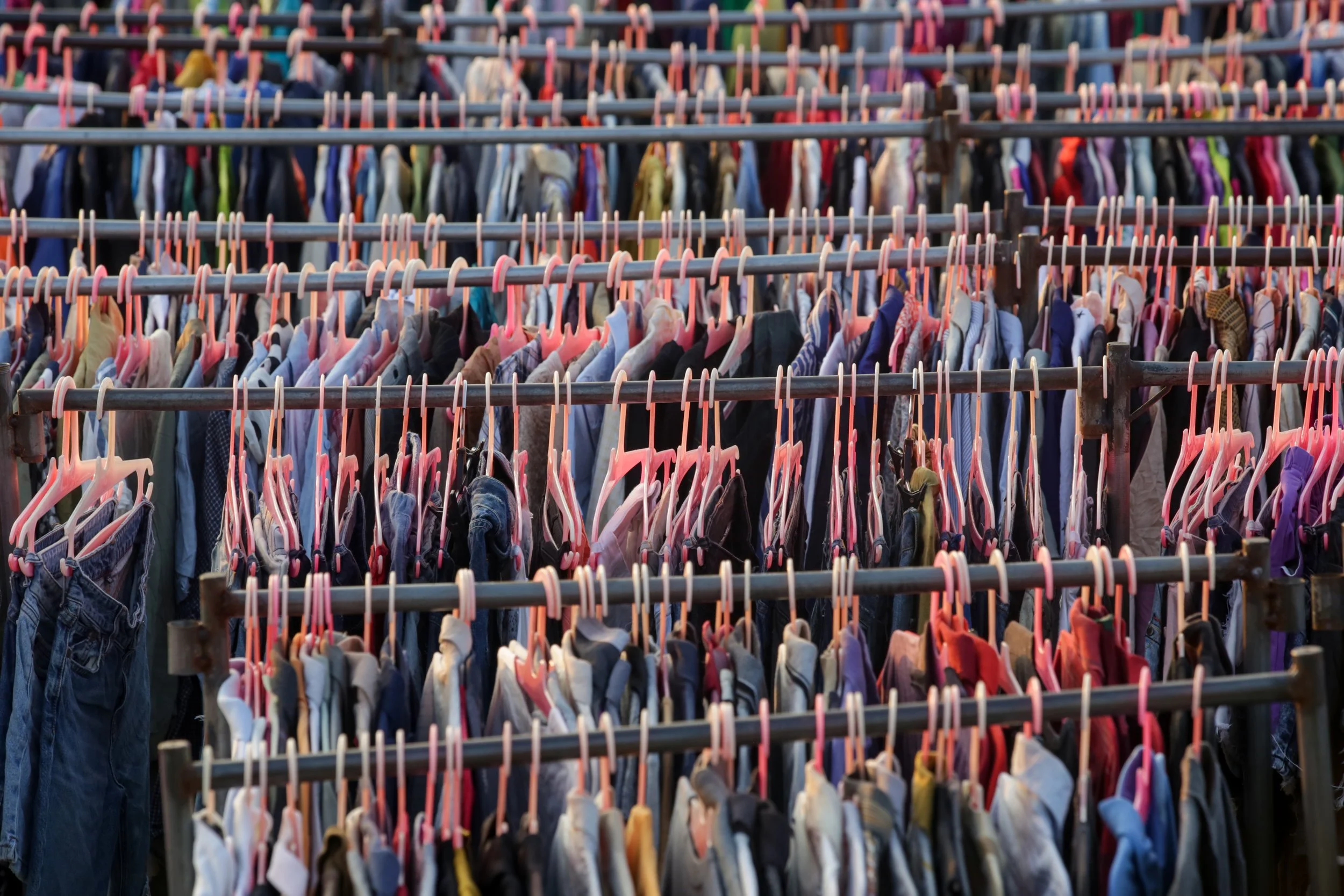
Global investors are increasingly drawn to ventures that deliver measurable environmental and social impact alongside financial returns. Textiles are a critical focus: the industry produces over 92 million tonnes of waste annually, and consumes 79 trillion litres of water every year (Ellen MacArthur Foundation, UNEP). With less than 1% of textiles recycled back into textiles, and polyester still overwhelmingly recycled from bottles rather than fabrics, the investment gap in true circular textile solutions is vast.
ENVIRONMENTAL: Polyester is forecast to drive fossil fuel demand equal to 160 million tonnes by 2050, while cotton already accounts for 2.5% of global agricultural water use. A scalable recycling pathway that separates these two dominant fibres addresses not only landfill avoidance but also climate, water, and biodiversity risks that investors are being asked to disclose under global ESG standards.
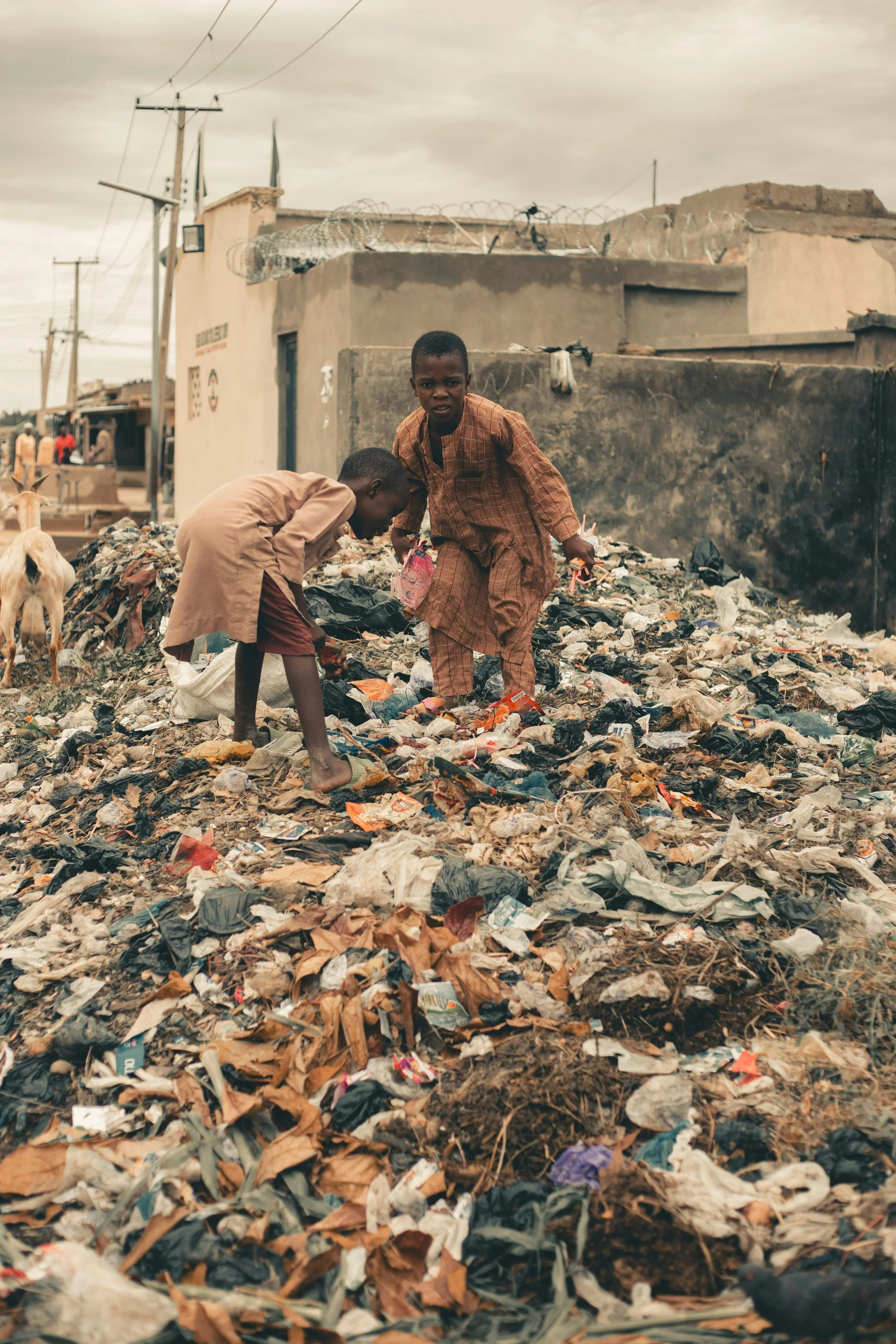
SOCIAL: Textile waste exports disproportionately burden developing nations, fuelling “waste colonialism.” A localised, scalable solution reduces these inequities and supports decent work through regionalised recycling plants. With Australia generating 222,000 tonnes of textile landfill annually, proof-of-concept here directly demonstrates how the model can be replicated in other regions.
“If capitalism is to remain a healthy, vibrant economic system, corporations must participate in taking care of the society and the environment in which they live.”
— Simon Mainwaring

Profit
The World Economic Forum estimates the circular economy could unlock US$4.5 trillion by 2030. Textiles alone represent one of the least tapped opportunities within that figure. By aligning with regulatory tailwinds such as Europe’s Ecodesign for Sustainable Products Regulation and California’s Responsible Textile Recovery Act, Split Ends positions early investors at the forefront of inevitable transformation.
This isn’t a short-cycle play. Investors gain exposure to innovation that addresses one of the largest untapped waste streams in the global economy.
Split Ends is looking for investment to prove proof- of- concept. By demonstrating proof of concept in Australia, one of the toughest markets due to low landfill costs and limited regulation, Split Ends can validate its efficiency and scalability, creating a compelling case for licensing in regions where policy and economics strongly favour textile recycling.
And it’s not just the bottom line that will benefit.
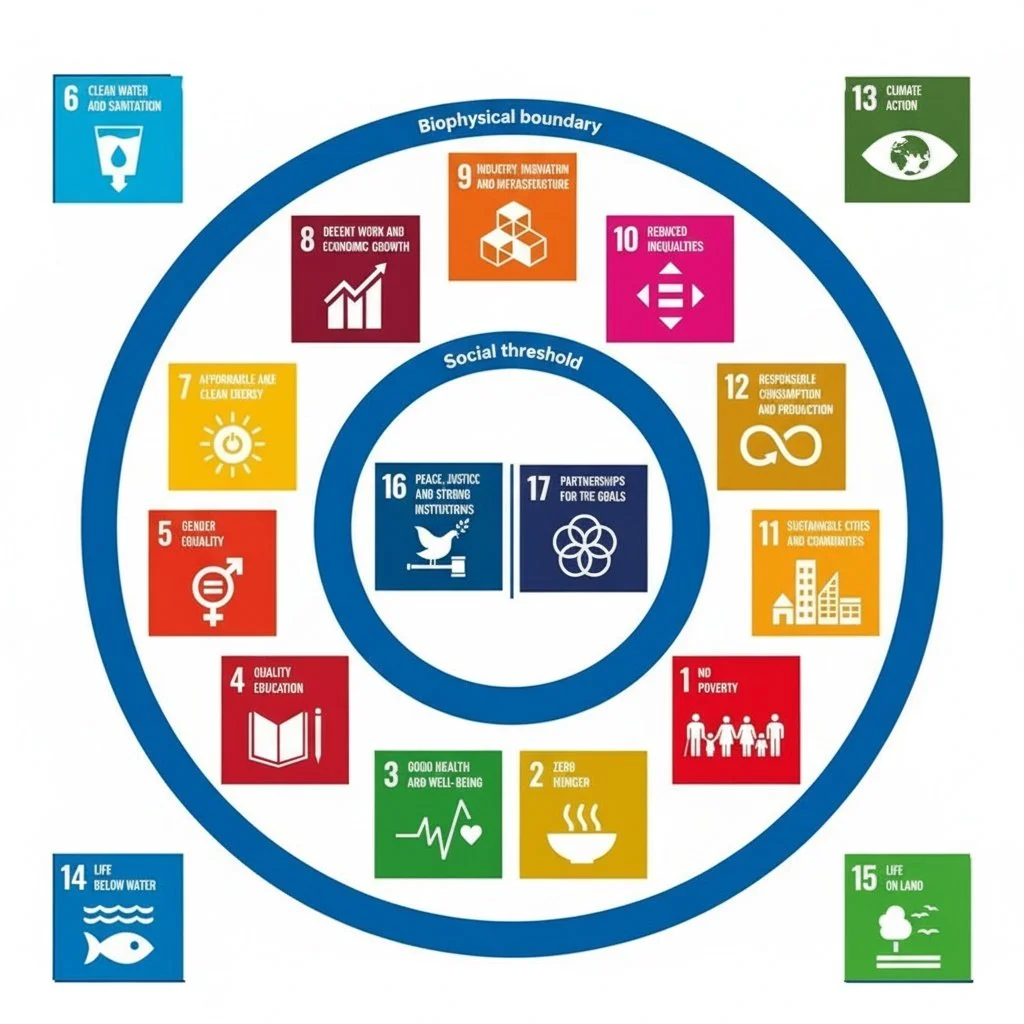
The Doughnut Economics: Raworth 2017 and the UN SDGs combined to show Gross Regenerative Value (GRV). credit Dana Mitra 2017.
-
The global textile industry is facing a mounting resource crisis that represents both risk and opportunity for investors. Each year, more than 92 million tonnes of textiles are discarded, with less than 1% recycled back into garments.
At the same time, the sector consumes an estimated 79 trillion litres of water annually, accounting for around 20% of industrial wastewater worldwide. This unsustainable trajectory highlights the urgency for scalable recycling solutions and creates a significant opening for investors who want to align long-term returns with environmental stewardship.
-
The ESG case for action is undeniable. Polyester, the dominant fibre in global production, is projected to drive fossil fuel demand equivalent to 160 million tonnes by 2050, while cotton already accounts for 2.5% of global agricultural water use. Together, these fibres underpin a system that is increasingly challenged by climate risk, water scarcity and biodiversity pressures.
At the same time, regulators in Europe, North America and Asia are moving towards mandatory disclosure and accountability for textile waste, making recycling innovations like Split Ends not just desirable but essential for compliance and risk mitigation.
-
Beyond environmental concerns, the social dimension is equally critical. A large share of discarded textiles are exported to lower-income countries, fuelling what experts describe as “waste colonialism.” This practice not only places undue burdens on communities least equipped to manage such volumes but also perpetuates inequities in global trade.
By investing in solutions that keep textile recycling local, investors directly support social responsibility, regional job creation, and fairer value distribution across the supply chain.
-
From a financial perspective, the long-term return profile is compelling. The World Economic Forum estimates that the circular economy could unlock US $4.5 trillion by 2030. Textiles are among the least developed sectors within this opportunity, leaving vast room for first movers to secure competitive advantage.
Research by Boston Consulting Group suggests that scaling textile recycling to just 30% could capture more than US $50 billion in material value globally, underscoring the untapped potential of fibre recovery.
Split Ends positions investors at the forefront of this shift by delivering a chemical-free, scalable process that directly addresses poly/cotton—the hardest and most neglected waste stream.
Investing in Split Ends proof of concept, is investing in transformation: it turns one of the world’s most intractable waste problems into a valuable resource, aligns with ESG imperatives, and offers resilient ROI through diversified market applications.